Shopping Cart
There are no more items in your cart
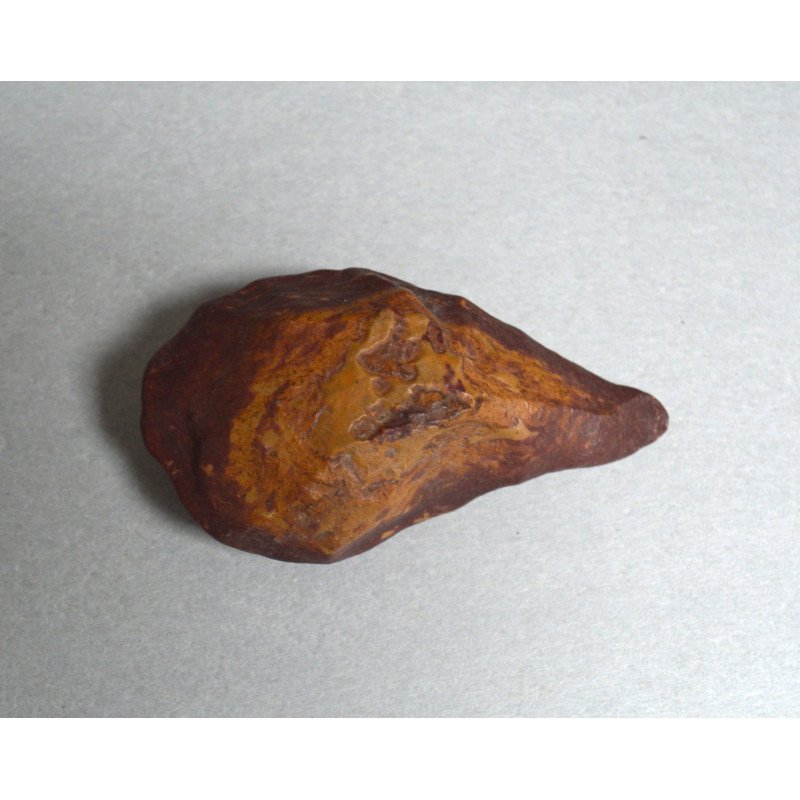
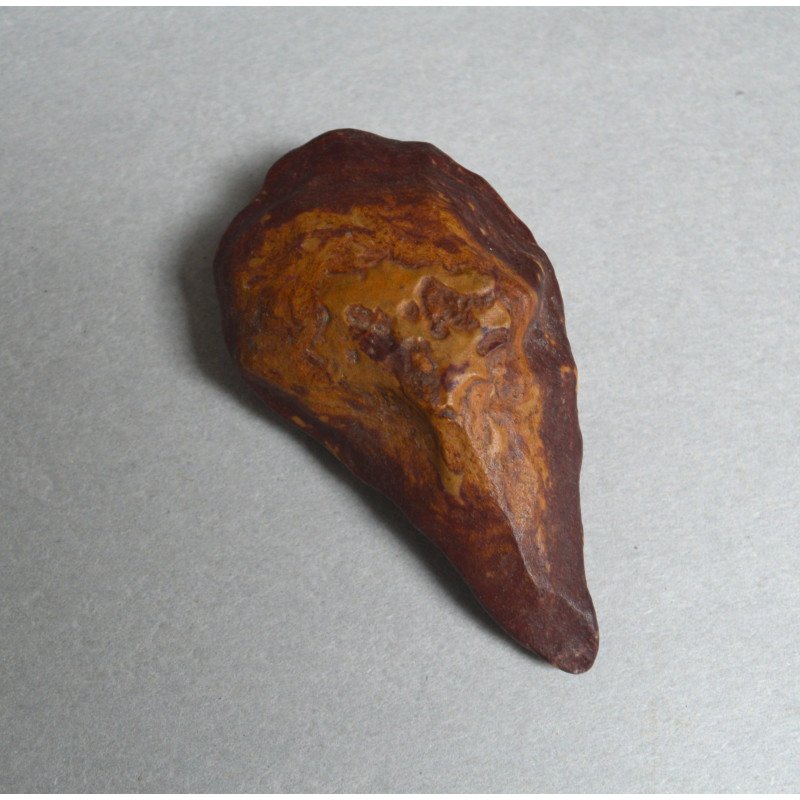



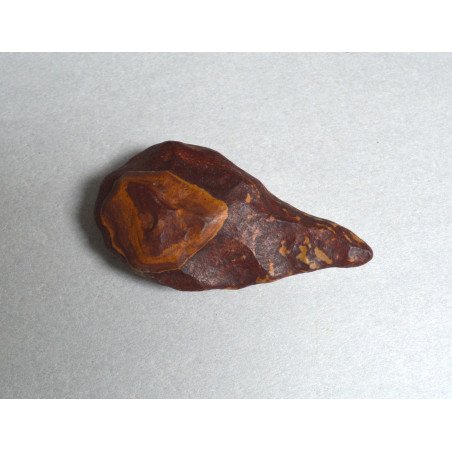
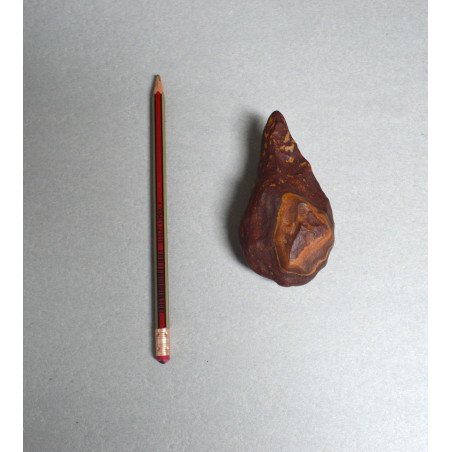


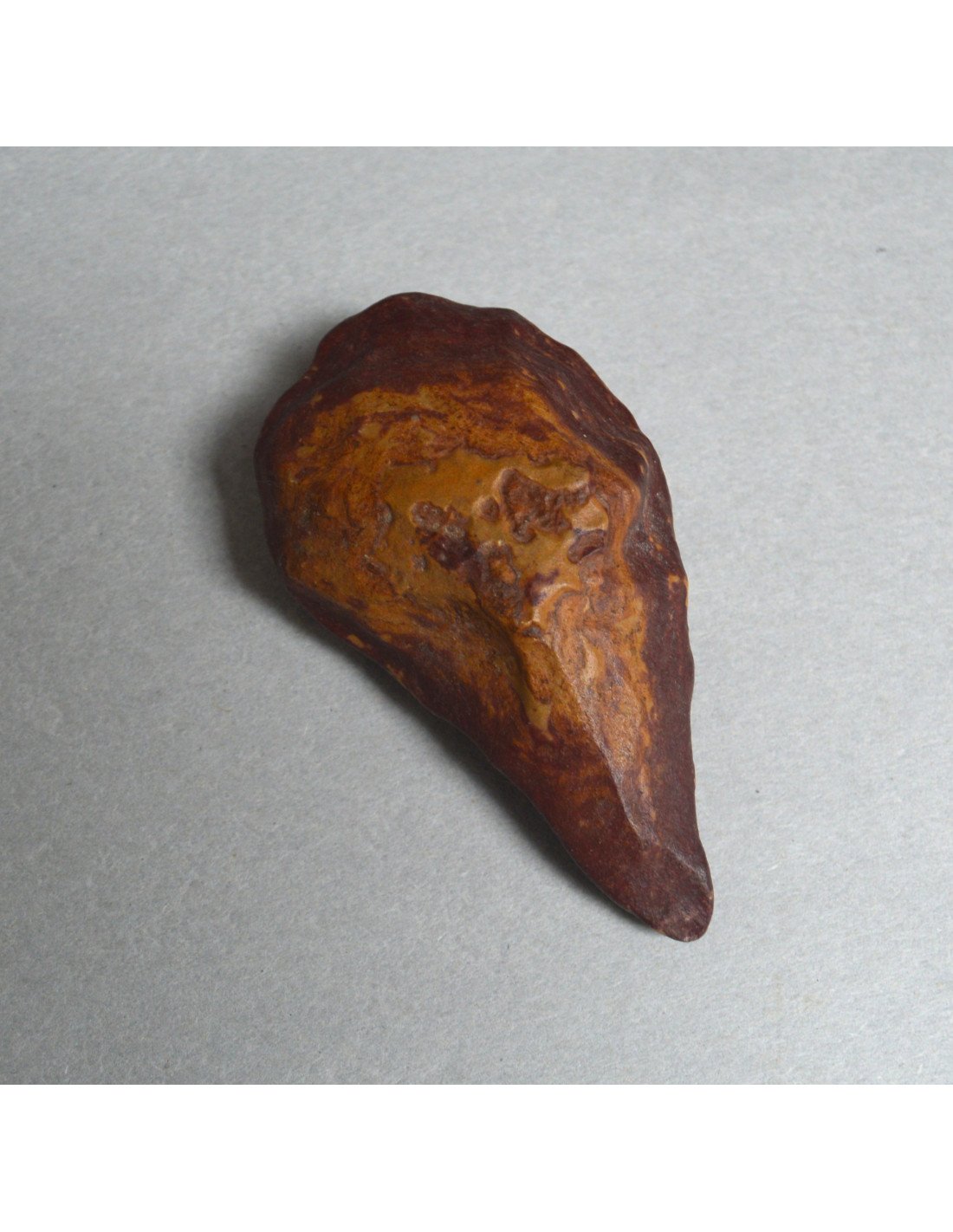
Biface, quartzite tool, Middle Palaeolithic (Mousterian), Libya
The tool is a Mousterian biface, made of quartzite. The artefact comes from Libya and measures approximately 10 x 6 x 3 cm.
The general form is ovoid, with sharp edges obtained by abrupt and semi-abrupt retouch, characteristic of the Mousterian culture (Middle Palaeolithic, circa 120,000-40,000 BC). The biface was knapped by direct percussion and has an approximately axial plane of symmetry, which suggests versatile use, probably as a cutter or a tool for working hides, but also with possible application as a striking weapon.
The surface patina, apparent in the degree of polish and in the secondary micro-chipping, indicates genuine age and an archaeological context particular to the North African region. The relatively careful working of the edges and the ratio of thickness to length show a good degree of technological standardisation, consistent with the Mousterian traditions attributed to Neanderthal hominins or, in some cases, to archaic Homo sapiens.