Shopping Cart
There are no more items in your cart

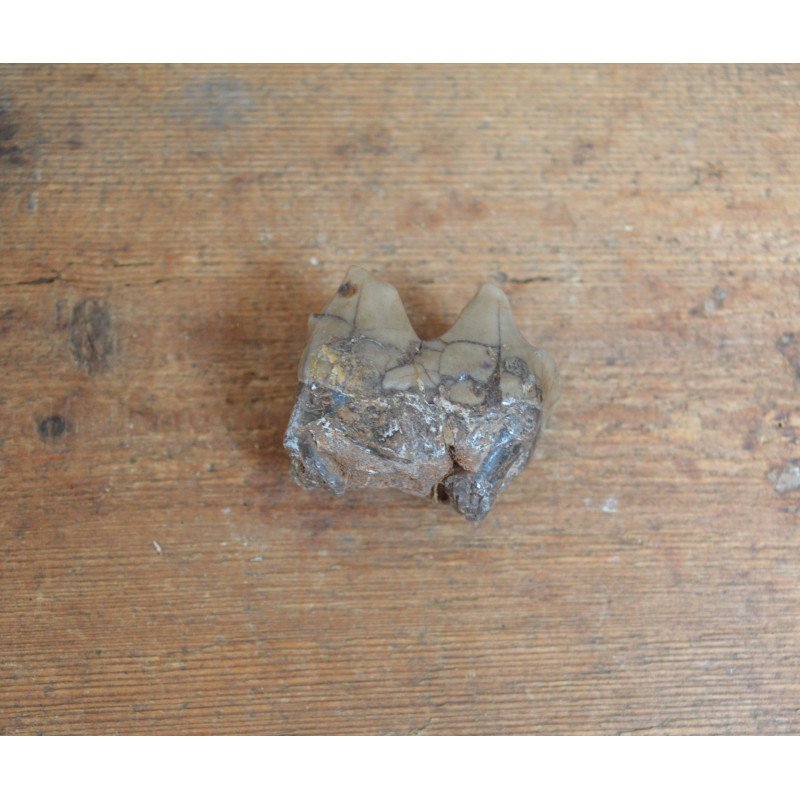
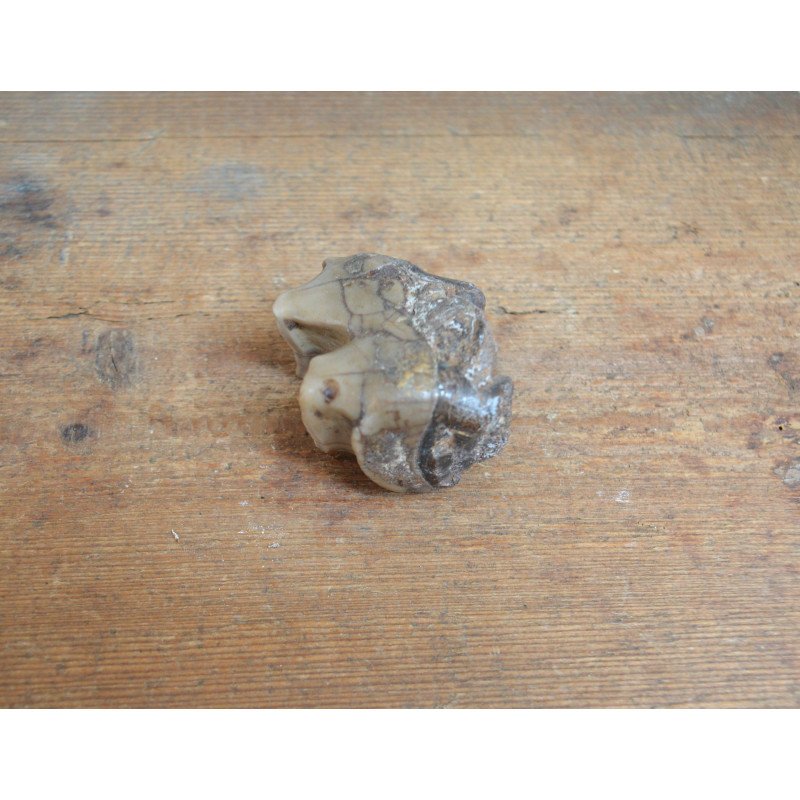
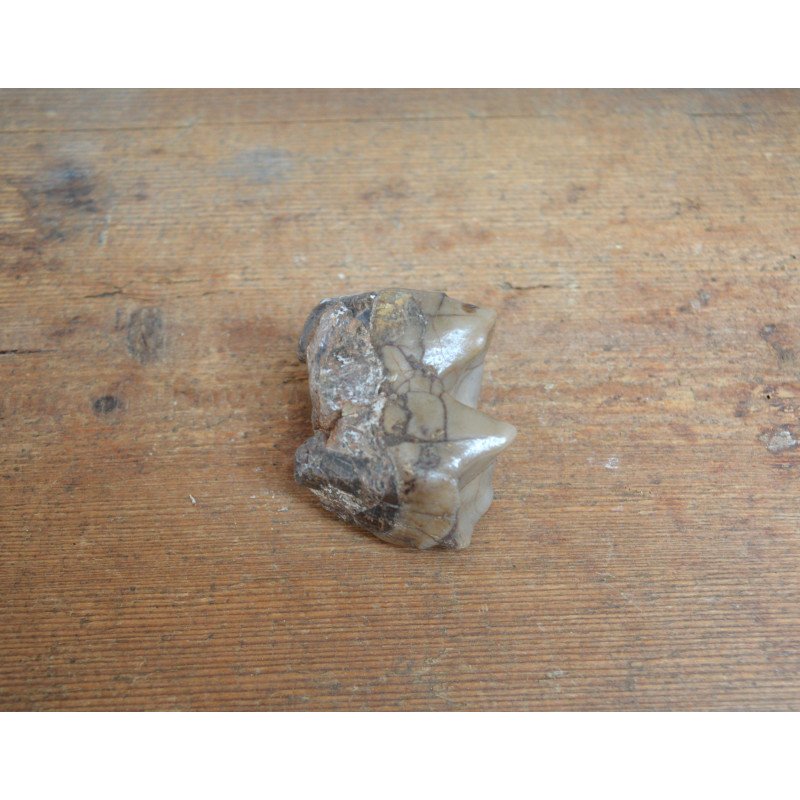
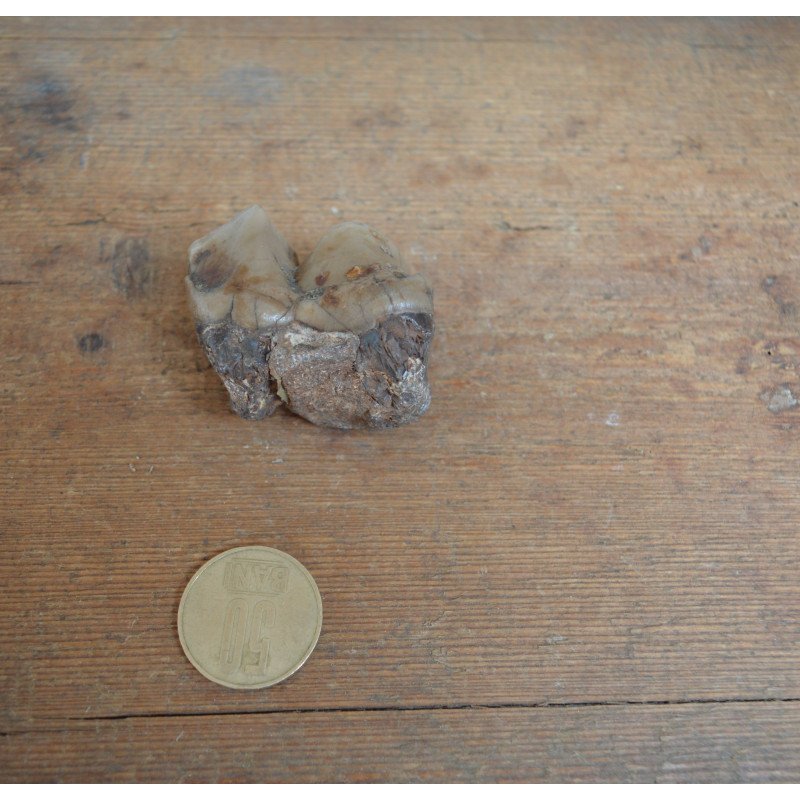
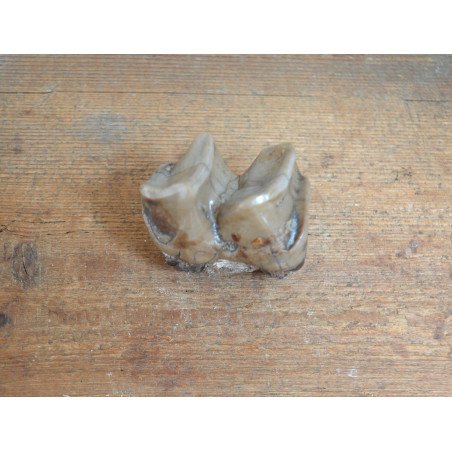
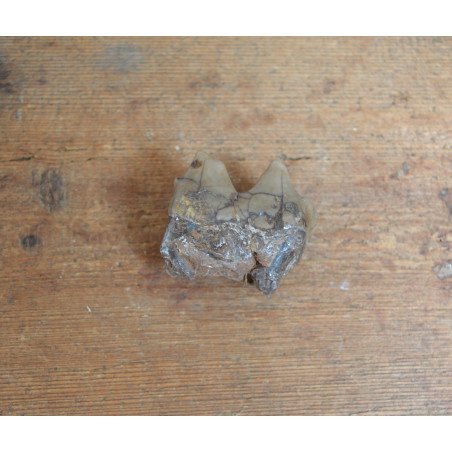
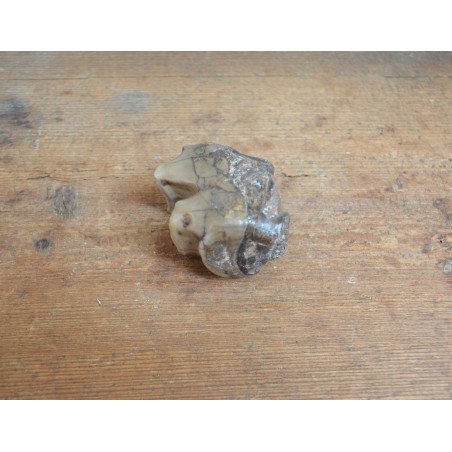
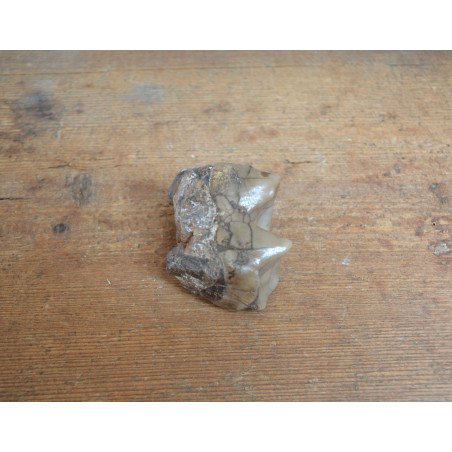
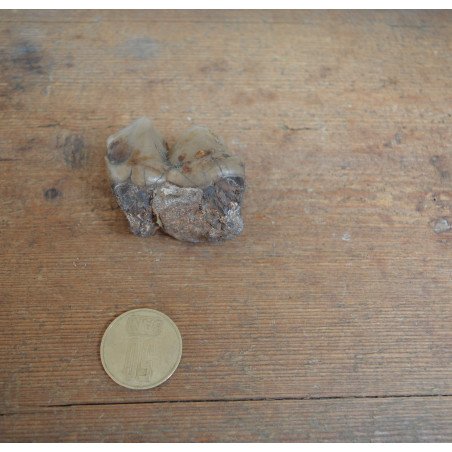


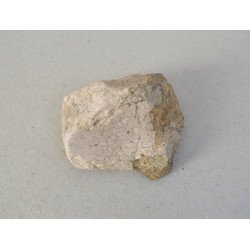
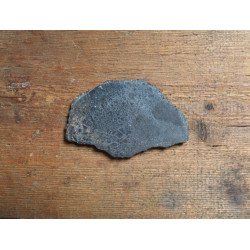
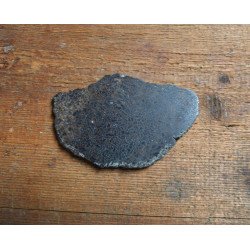
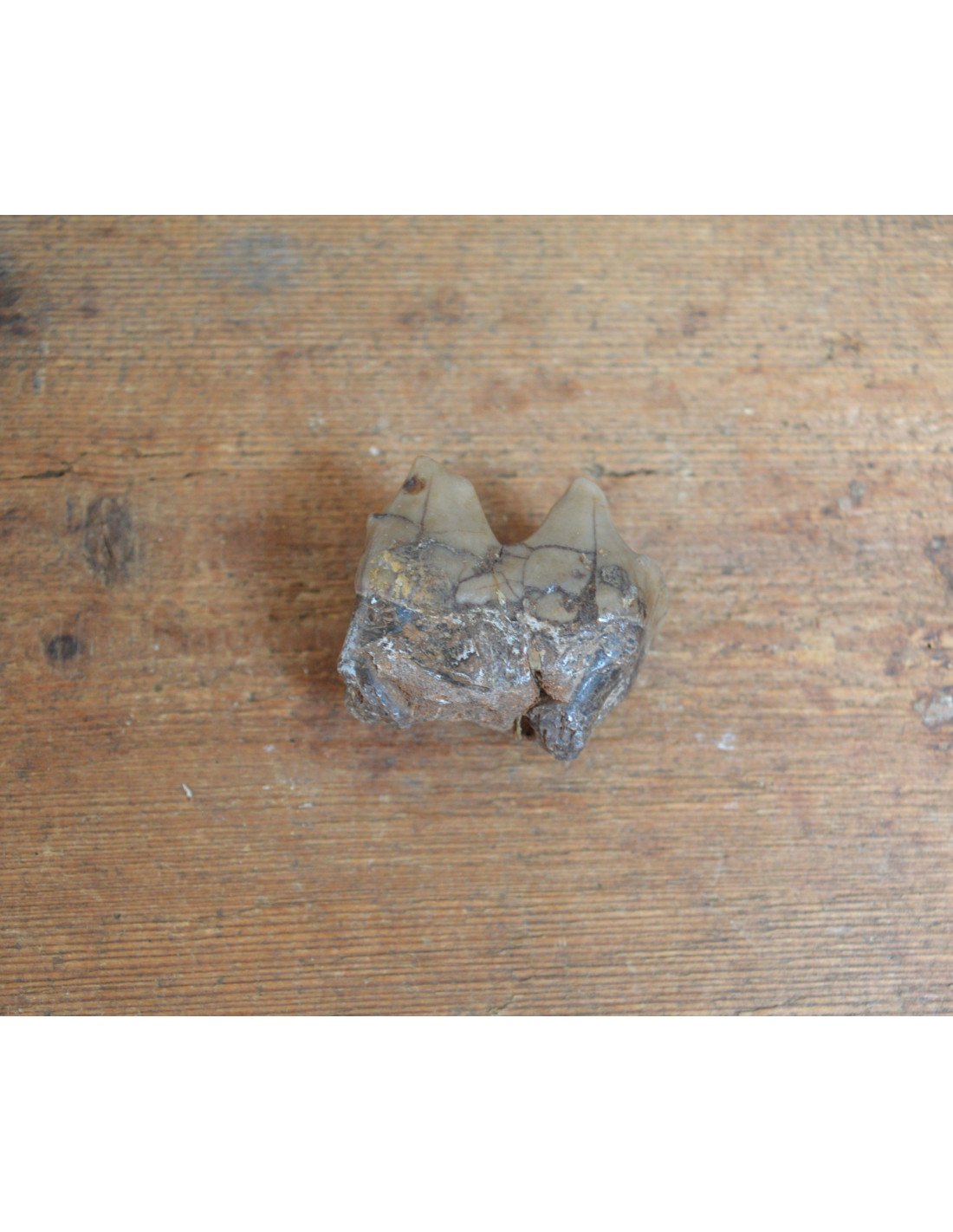
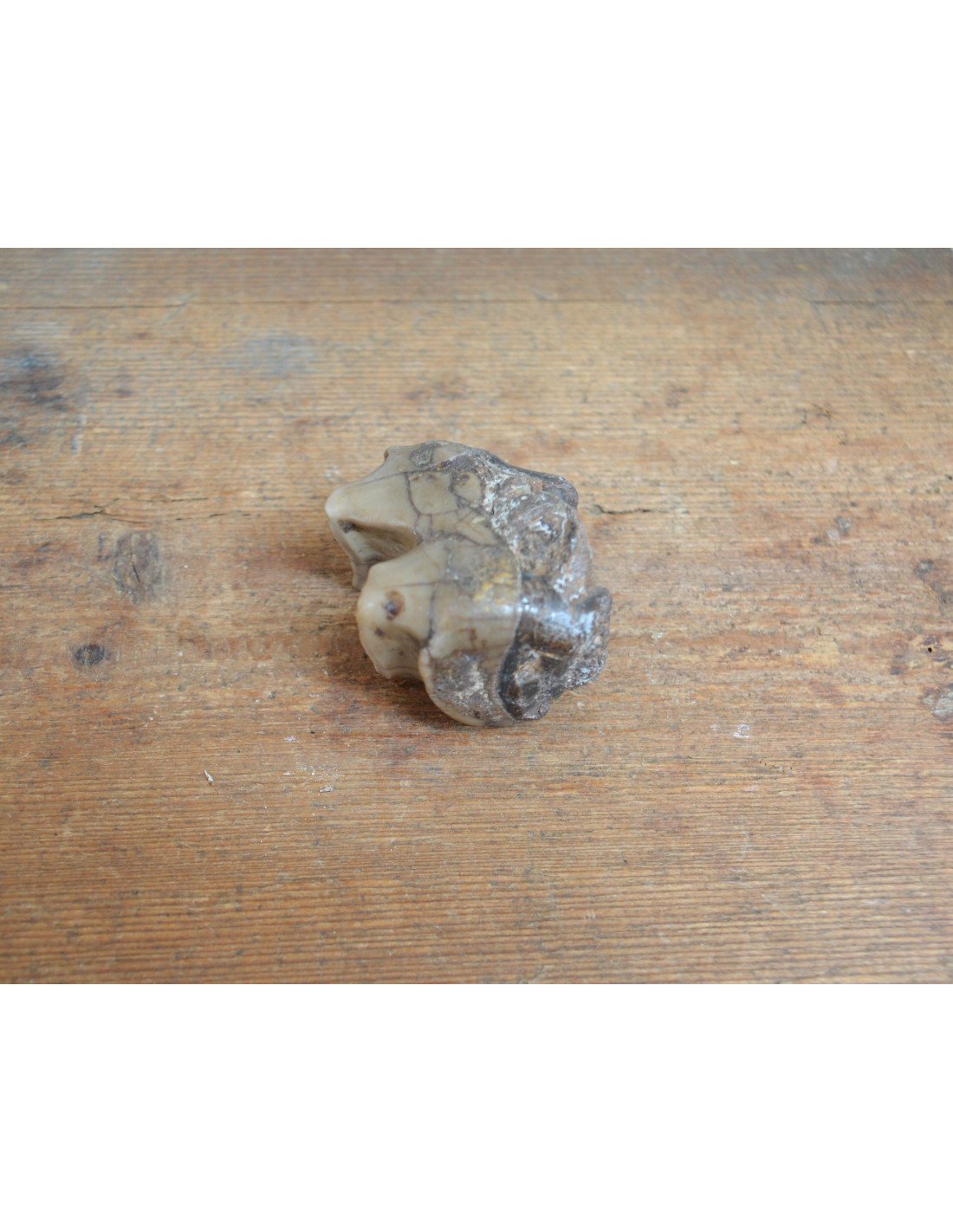
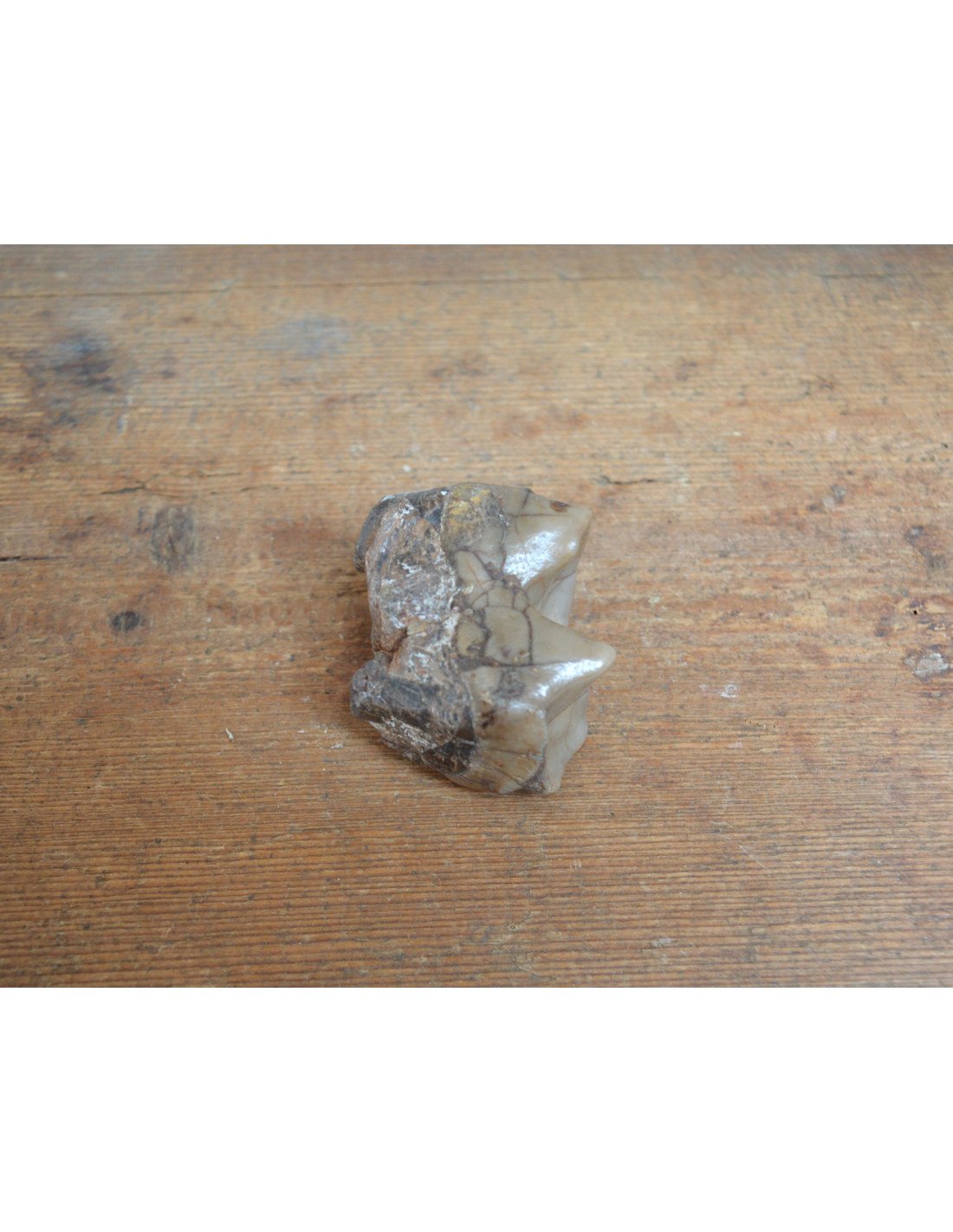
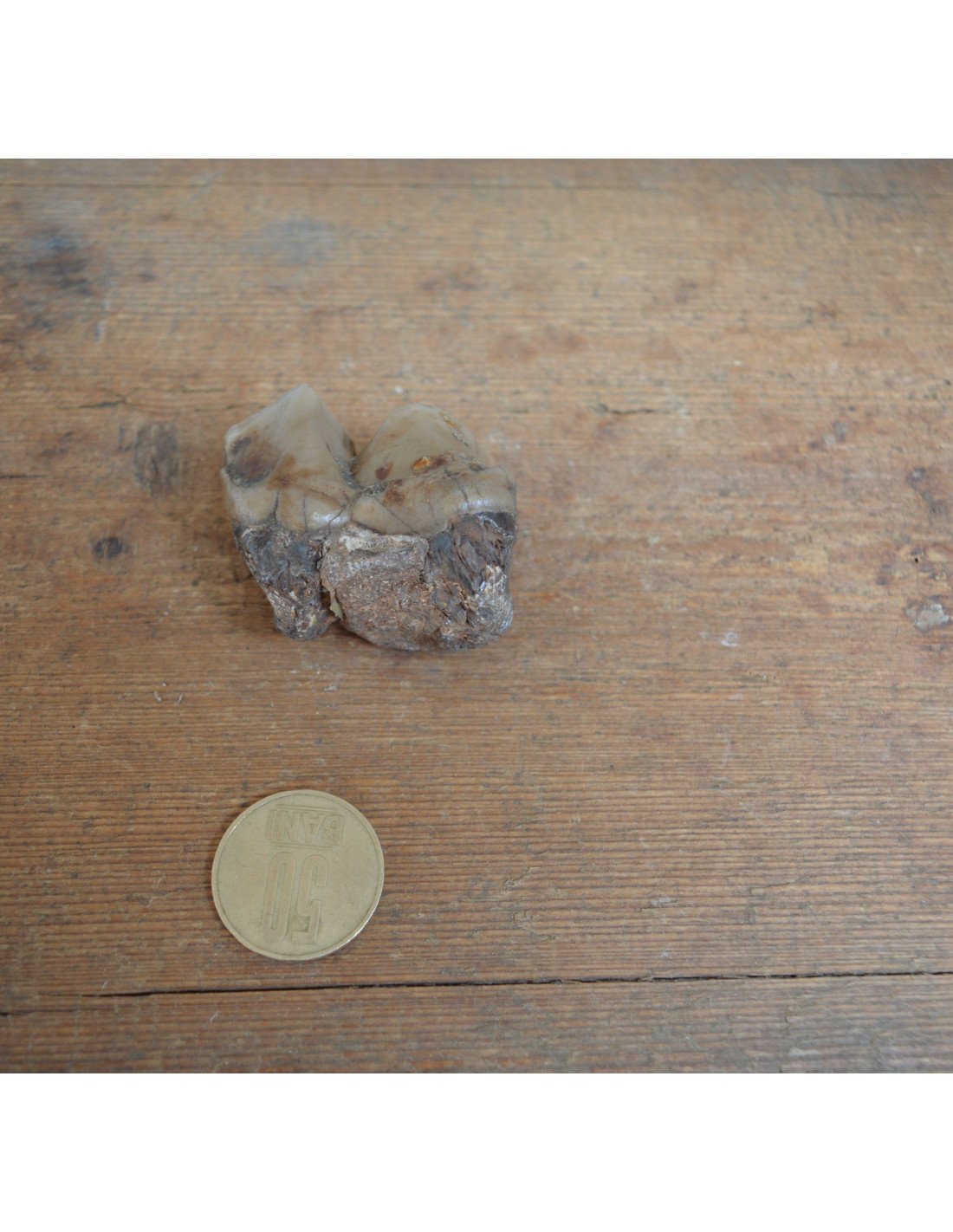
Molar of Lophiodon sp., Eocene, Romania (Subpiatra, Alba county).
Condition as shown in the photographs.
Dimensions 3.5x4.5x2.5 cm.
Lophiodon (from the Greek λόφος lóphos, „crest” and Greek ὀδούς odoús „tooth”) is an extinct genus of mammal related to the chalicotheres. It lived in Europe in the Eocene, from 52 to 38 million years ago, and was formerly thought to be closely related to Hyrachyus. Lophiodon was named and described by Cuvier (1822) on the basis of specimens from the Sables du Castrais Formation. Various species of Lophiodon were widespread across Europe during the Eocene, and were the largest herbivorous mammals of their time.
The morphology of the molar is characteristic of the genus Lophiodon, with prominent cusps and a complex occlusal surface, indicating adaptations for processing fibrous vegetation. It shows moderate dental wear and traces of post-fossilisation mineralisation, suggesting fossilisation in terrigenous sediments rich in ferric minerals. No major fractures or artificial consolidation are visible.
The genus Lophiodon is well represented in the Eocene deposits of Europe, particularly in France and Germany, but fossils from Romania are rarer.