Biface, quartzite tool, Middle Palaeolithic...
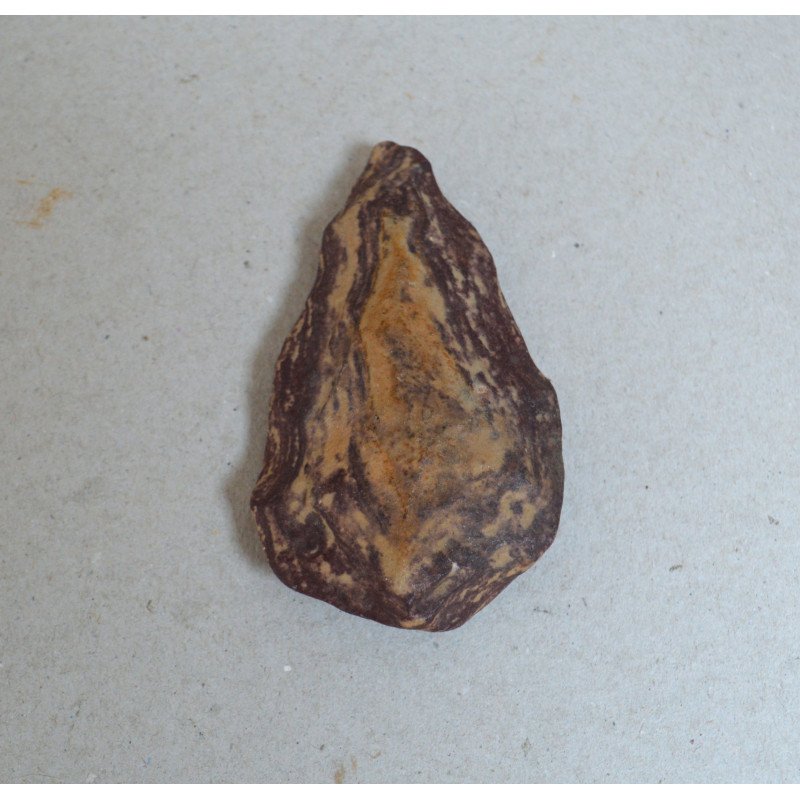
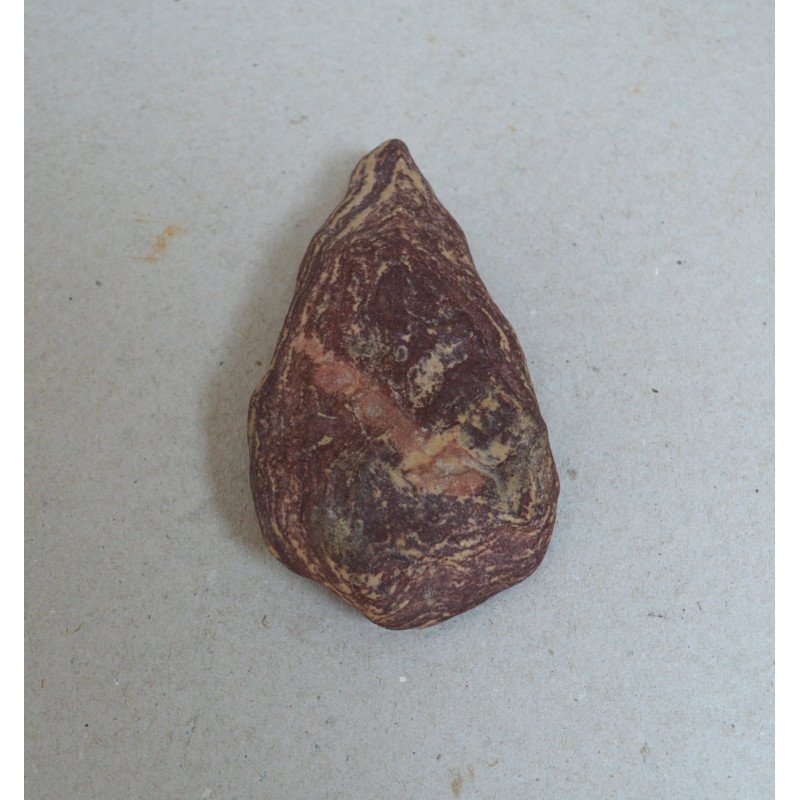
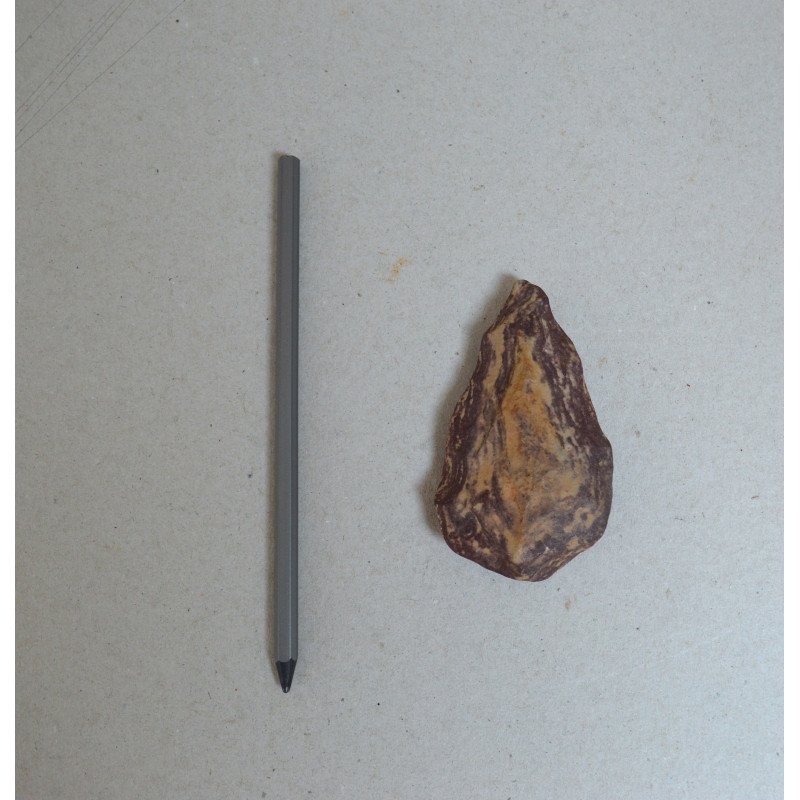
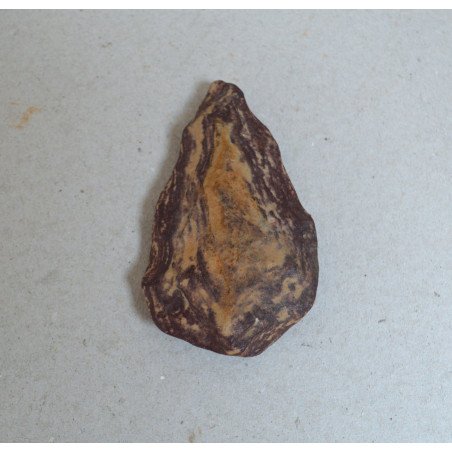
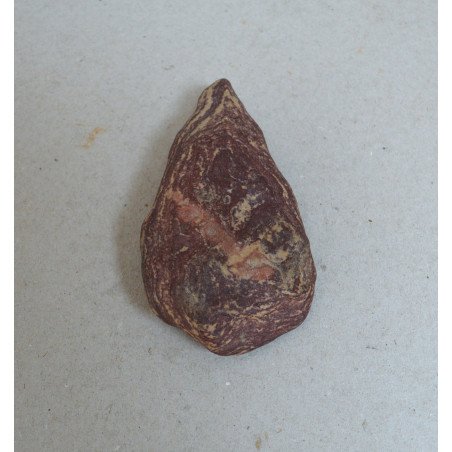
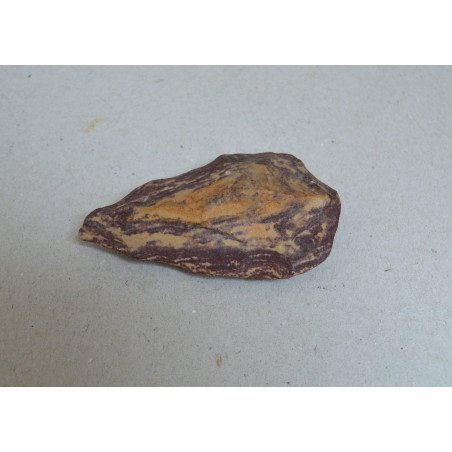
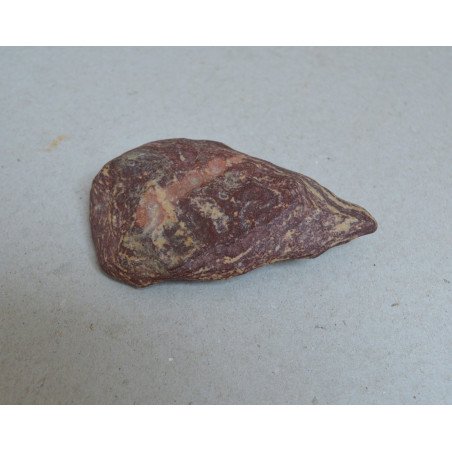
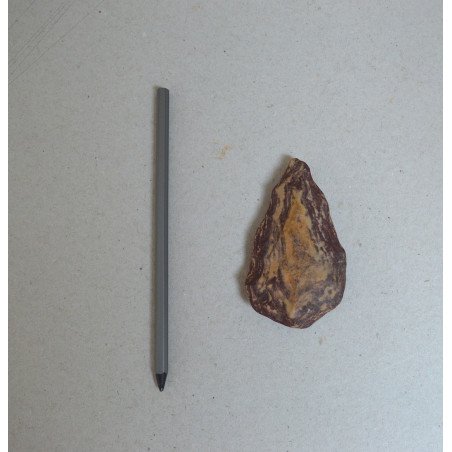
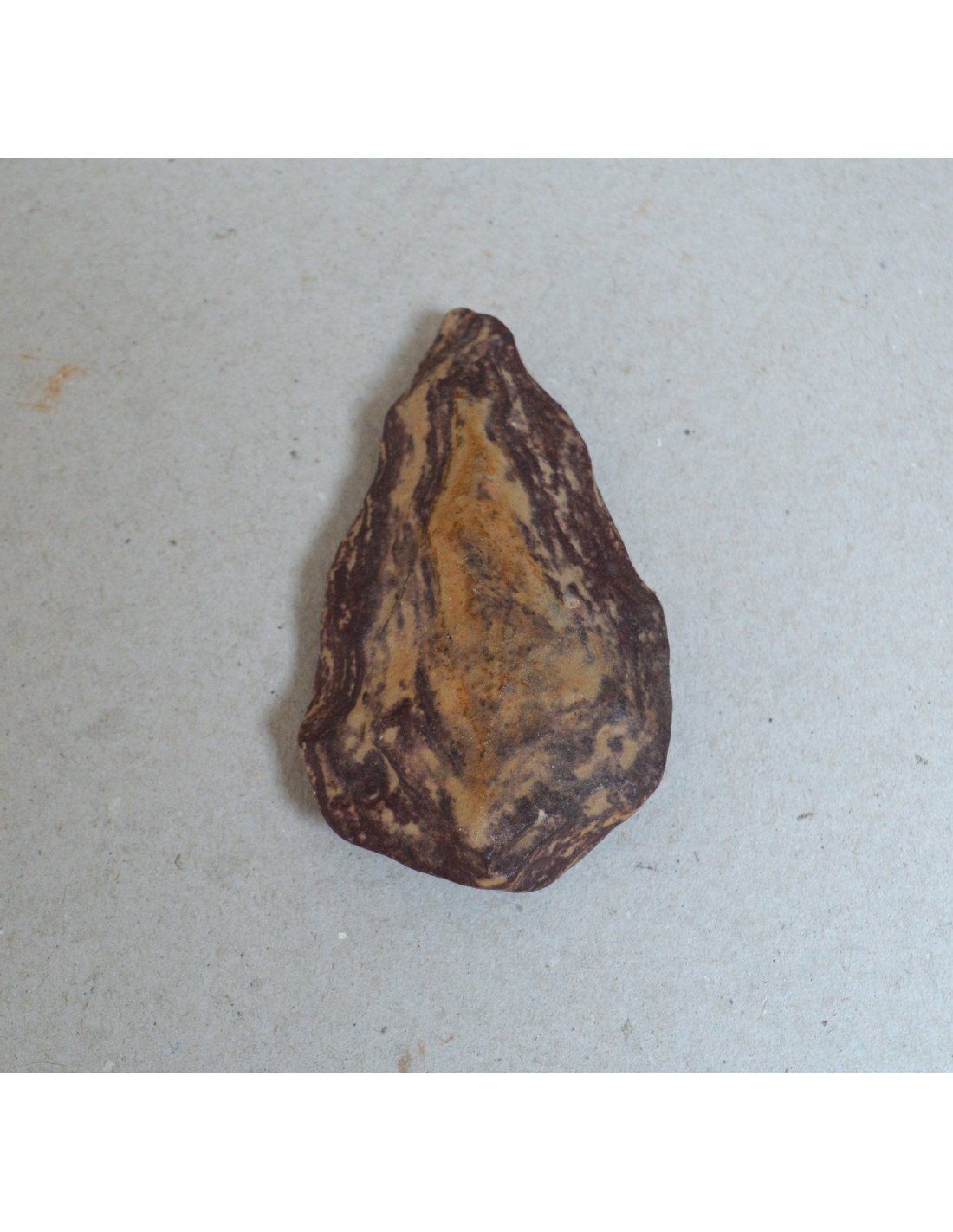
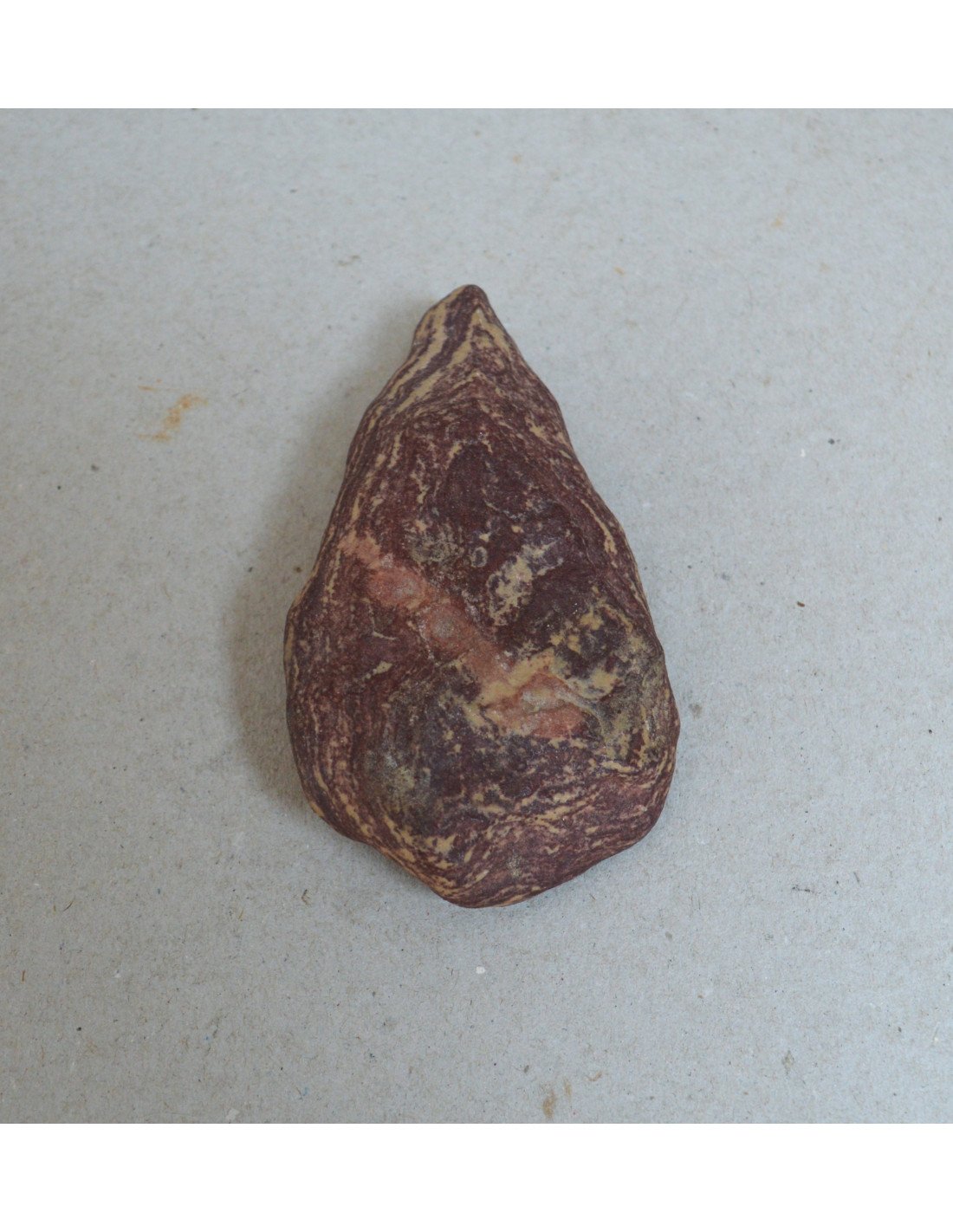
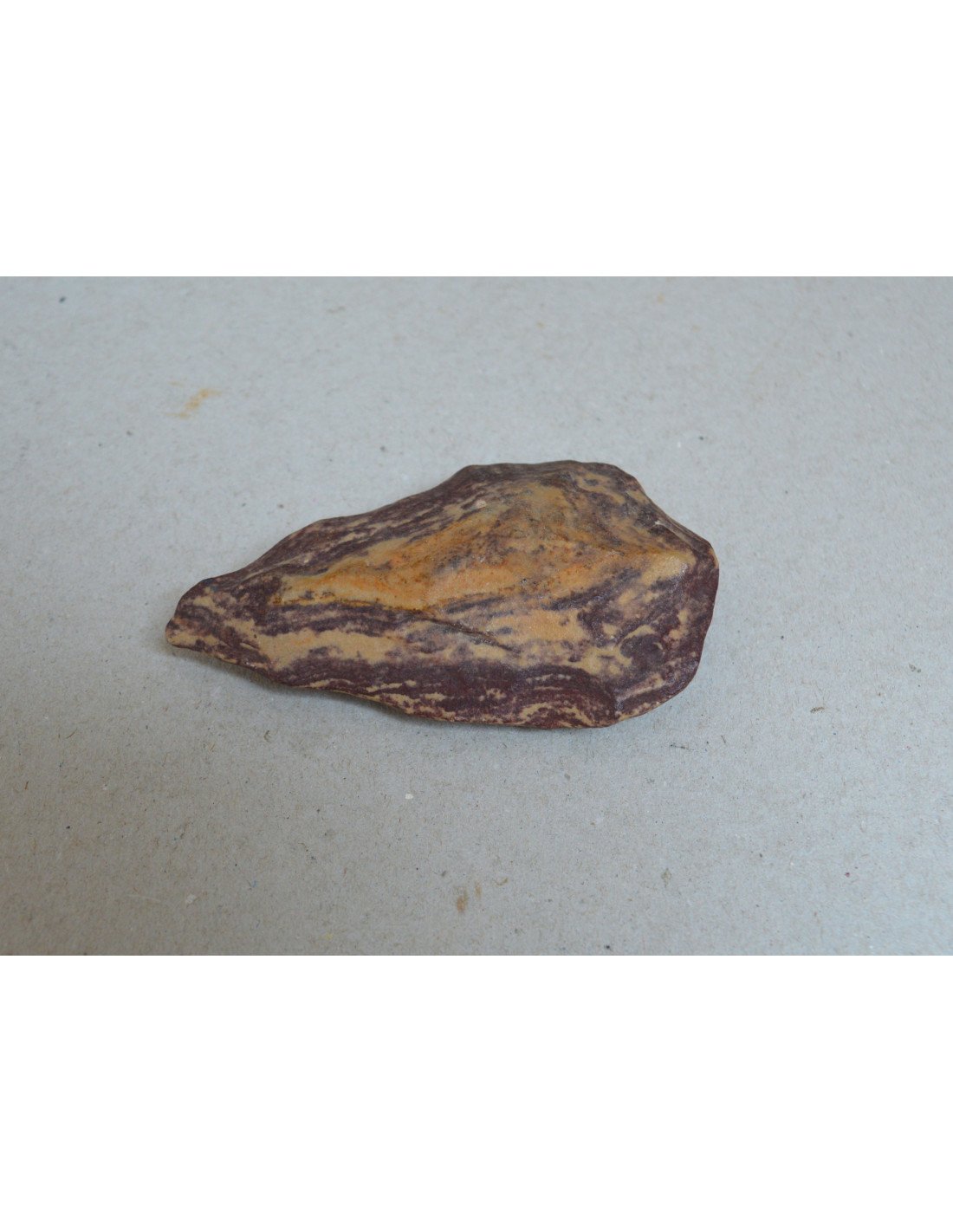
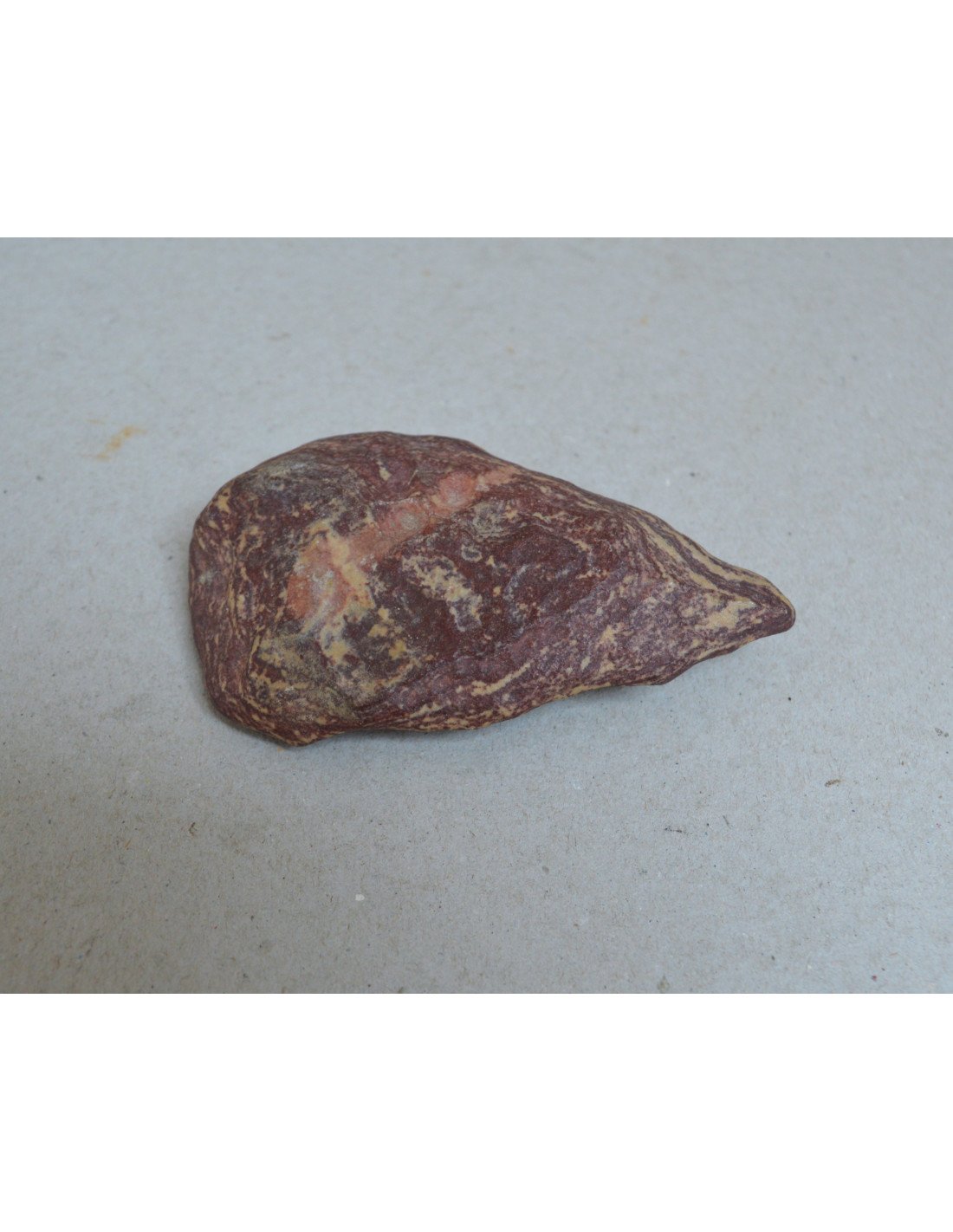
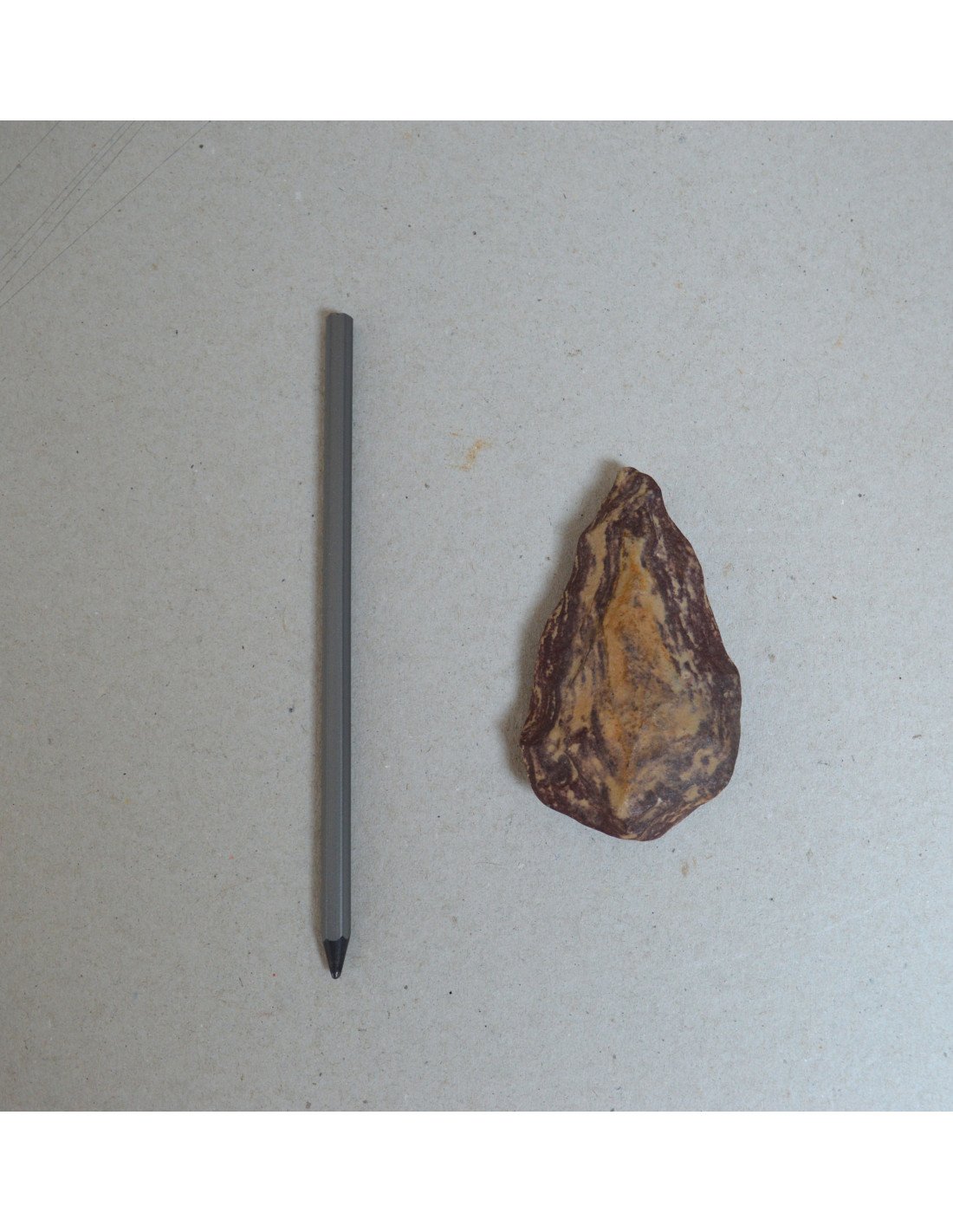
Biface, quartzite tool, Middle Palaeolithic (Mousterian), Libya
Move your mouse over image

Biface, quartzite tool, Middle Palaeolithic (Mousterian), Libya

Galeriile Karo Shop
1,000.00 lei
Tax included
 

Biface, quartzite tool, Middle Palaeolithic (Mousterian), Libya

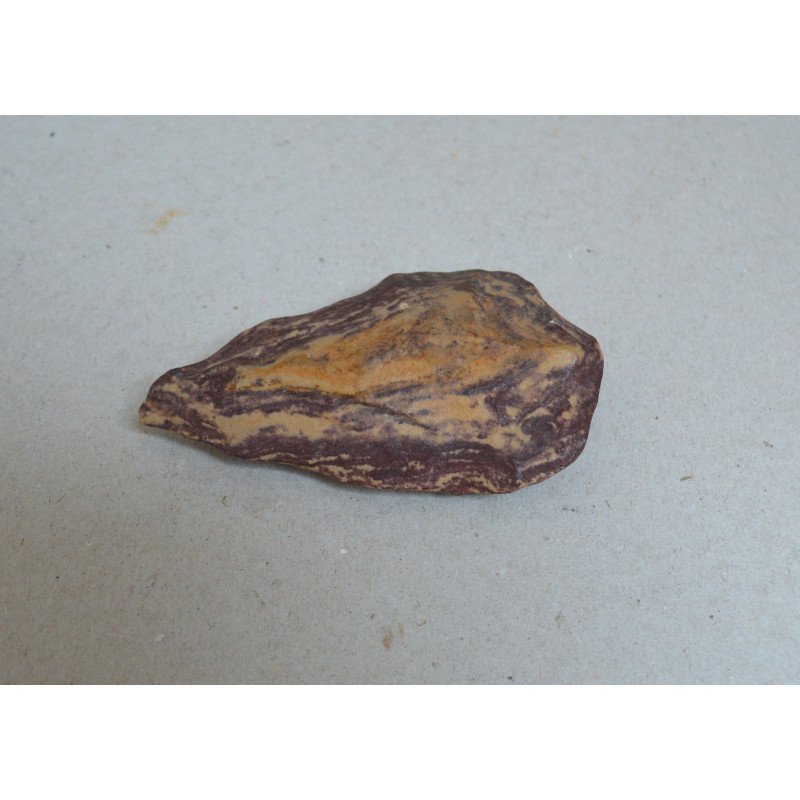
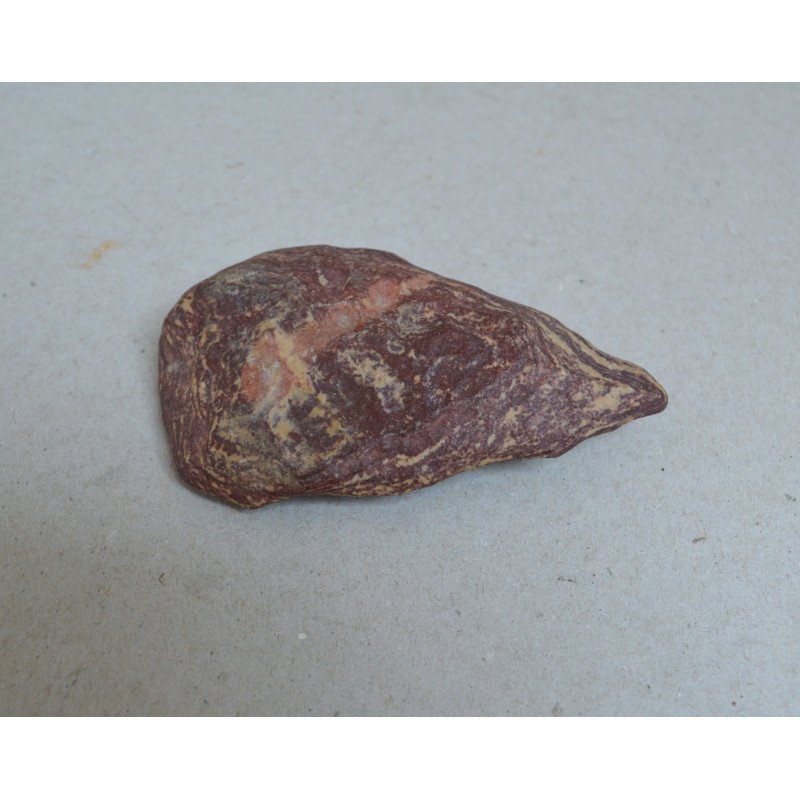
The tool is a Mousterian biface, made of quartzite. The artefact comes from Libya and measures approximately 9.5 x 6 x 2.5 cm.

The general form is ovoid, with sharp edges obtained by abrupt and semi-abrupt retouch, characteristic of the Mousterian culture (Middle Palaeolithic, circa 120,000-40,000 BC). The biface was knapped by direct percussion and has an approximately axial plane of symmetry, which suggests versatile use, probably as a cutter or a tool for working hides, but also with possible application as a striking weapon.

The surface patina, apparent in the degree of polish and in the secondary micro-chipping, indicates genuine age and an archaeological context particular to the North African region. The relatively careful working of the edges and the ratio of thickness to length show a good degree of technological standardisation, consistent with the Mousterian traditions attributed to Neanderthal hominins or, in some cases, to archaic Homo sapiens.

  • The Mousterian culture (circa 160,000-40,000 BC) is associated mainly with the Neanderthals of Europe and parts of West Asia.

  • It is notable for a stone-working technology known as the Levallois technique, which allowed blades or pieces of controlled shape to be struck from cores prepared in advance.

  • The typical Mousterian tool is the scraper, used for working hides and wood.

  • They were made of flint and were far more sophisticated than older (Acheulean) tools, marking an important evolutionary step in the control of raw material.

  • The cultural context implies groups of hunter-gatherers with a rudimentary social organisation, but with cooperation advanced enough for group hunting and for caring for injured members - there is evidence of basic medical care among Neanderthals.

  • Art proper is not clearly attested among the Mousterians, although there are debated traces (occasionally pigments, or traces of perforation on shells) that may suggest incipient forms of symbolism.

1 Item
No reviews

12 other products in the same category:

Product added to wishlist
Product added to compare.